Community Guide
Living in Prospect Park, PA
A complete guide to one of Delaware County's most historic and affordable boroughs — Victorian homes, SEPTA Regional Rail access, the Morton Homestead, the John Heinz Wildlife Refuge at your doorstep, and a genuine small-town community feel just 20 minutes from Center City Philadelphia.
Overview
History, Affordability & Transit in One Package
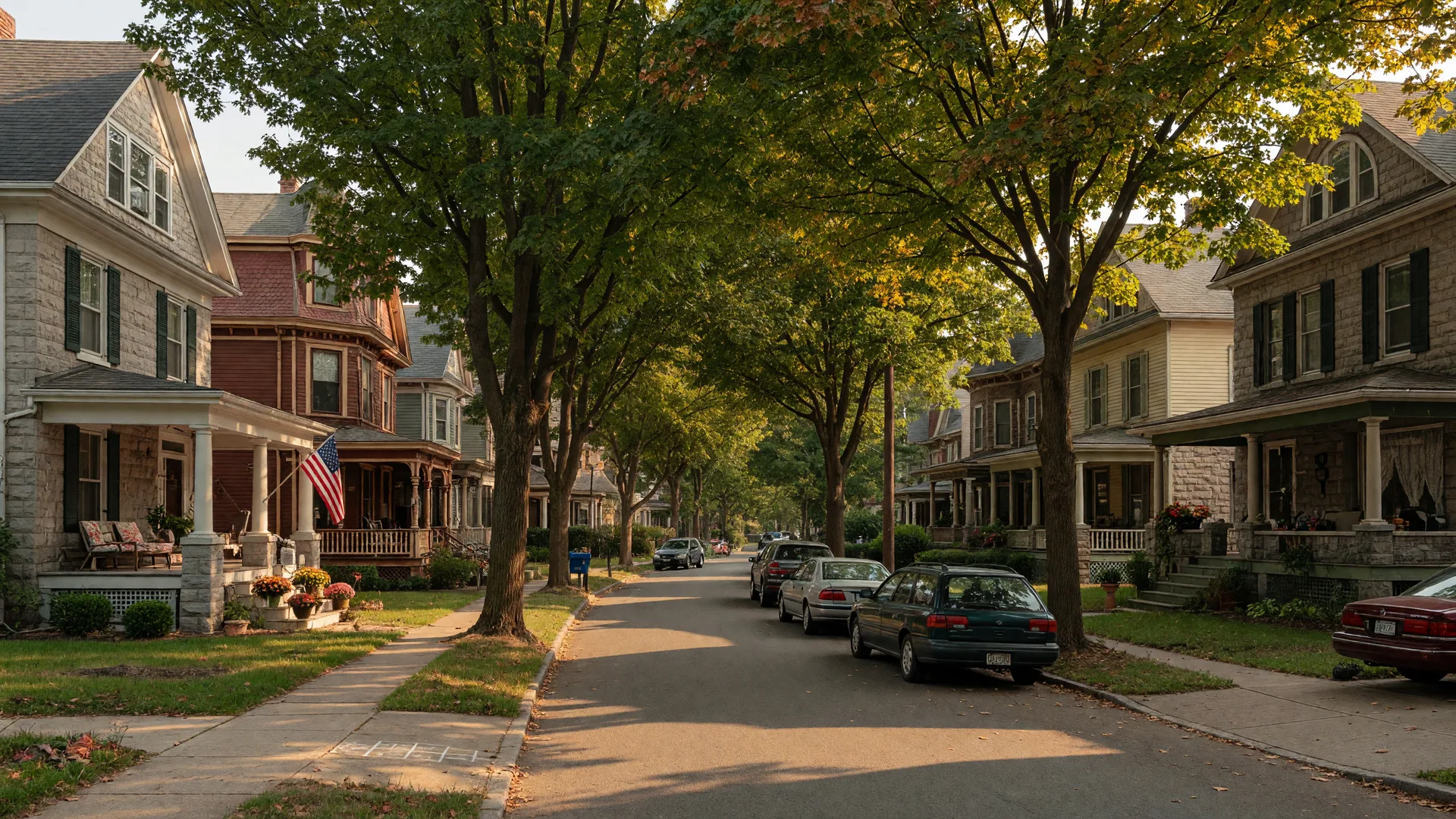
Prospect Park is a borough of roughly 6,500 residents in southeastern Delaware County, Pennsylvania, founded in 1894 as a railroad bedroom community for Philadelphia workers. Named after Prospect Park, New Jersey (not the Brooklyn neighborhood), the borough developed a dense, walkable core of Victorian and Dutch Colonial homes along streets like Lincoln Avenue and Washington Avenue — many of which still stand today, with their characteristic covered front porches, stone exteriors, and historic millwork.
What sets Prospect Park apart is its combination of historic character, genuine affordability, and excellent transit access. The borough has its own SEPTA Regional Rail station on the Wilmington/Newark Line — making Center City Philadelphia reachable in under 30 minutes — plus a network of bus routes connecting the community to the broader region. It is also home to the Morton Homestead, one of the oldest dwellings in Pennsylvania (1654), and sits just minutes from the John Heinz National Wildlife Refuge at Tinicum — America's first urban national wildlife refuge. For buyers who want an affordable, historic, transit-connected community with a welcoming, neighborly feel, Prospect Park offers some of the best value in Delaware County.
~6,500
Residents
~11 mi
To Center City Philly
~8 min
To PHL Airport
1894
Borough founded
Top Questions Answered
Frequently Asked Questions About Prospect Park
These are the questions real people ask most often about Prospect Park — sourced from Google searches, Reddit threads on r/Delco, Quora discussions, and neighbor conversations. Honest answers, no fluff.
01 Is Prospect Park, PA a safe place to live?
Yes, Prospect Park is widely regarded as a safe, family-friendly community in Delaware County. The violent crime rate is approximately 1.5 incidents per 1,000 residents, which is well below the national average of 3.6. Property crime is also lower than national benchmarks. Niche gives Prospect Park a Crime & Safety grade of B, and Reddit threads on r/Delco consistently describe the borough as 'very safe' and 'nice' — comparing it favorably to neighboring Ridley Park and Norwood. Residents on Niche give the community high marks for safety during both day and night, and the Borough of Prospect Park operates its own police department. As with any suburban community, standard precautions apply, but Prospect Park is considered one of the safer and more welcoming communities in southeastern Delaware County.
02 How are the schools in Prospect Park?
Prospect Park is served by the Interboro School District, which earns a B+ overall grade on Niche. The district serves approximately 3,200 students across the boroughs of Prospect Park, Glenolden, Norwood, and Tinicum Township. Three of the district's schools are located right in Prospect Park: the Interboro Kindergarten Academy (K) at 900 Washington Avenue, Prospect Park School (grades 1-8) at 901 Pennsylvania Avenue, and Interboro Senior High School (grades 9-12) at 16th & Amosland Road. The high school serves roughly 1,000 students and offers a range of Advanced Placement courses, competitive athletics, and performing arts programs. The district maintains a 12:1 student-teacher ratio and offers full-day kindergarten. Reddit discussions on r/Delco describe the schools as 'decent' and note that Interboro is a good school district for families, though property taxes in the district run somewhat higher than surrounding districts — a common tradeoff for quality public education in Pennsylvania.
03 How long is the commute from Prospect Park to Philadelphia and Wilmington?
Prospect Park offers excellent commuter access to both cities. Center City Philadelphia is about 11 miles northeast — roughly 18 to 22 minutes by car in normal traffic via I-95 or Chester Pike, or 30 to 35 minutes during peak rush hour. Wilmington, Delaware is about 13 miles southwest, roughly 18 minutes on I-95. Philadelphia International Airport (PHL) is just 4 miles north — approximately 8 to 10 minutes by car, making Prospect Park one of the closest residential communities to the airport in all of Delaware County. For transit commuters, Prospect Park has its own SEPTA Regional Rail station at 735 Maryland Avenue on the Wilmington/Newark Line. Trains reach Suburban Station in Philadelphia in roughly 25 to 30 minutes, 30th Street Station in about 28 minutes, and Wilmington in about 18 minutes. The station features free parking for commuters. SEPTA bus Routes 37 and 114 also serve the area, providing additional transit connections to Chester, Darby, and the 69th Street Transportation Center.
04 What is the cost of living in Prospect Park?
Prospect Park's cost of living index is approximately 102.6, slightly above the national average (100) but notably lower than many neighboring Delaware County communities. Housing is the primary cost driver, with a median home value around $221,800 to $274,000 depending on the source — lower than the Delaware County median and significantly more affordable than nearby Media, Swarthmore, or the Main Line. Median rent ranges from about $953 to $1,220 per month. The median household income is approximately $67,000 to $78,000, and about 70 percent of residents own their homes. One of Prospect Park's biggest financial advantages is that residents avoid Philadelphia's 3.75 percent city wage tax — a household earning $75,000 annually saves roughly $2,800 per year by living in Prospect Park versus the city. Delaware County property taxes in the Interboro School District run somewhat higher than some adjacent districts, but the overall cost of living remains accessible compared to many Philadelphia suburbs. Grocery and healthcare costs are near national averages.
05 What types of homes are available in Prospect Park?
Prospect Park's housing stock is defined by its historic character and affordability. The borough originated as a railroad bedroom community for Philadelphia in the late 19th and early 20th centuries, and its streets are lined with Victorian-era homes — Queen Anne, Dutch Colonial, and Colonial Revival houses with covered front porches, stone exteriors, and classic millwork. Side-by-side twins and duplexes branch off streets like Lincoln Avenue and Washington Avenue, and the wider lots hold detached single-family homes. The median year built is approximately 1935, and very little new construction has occurred since the mid-20th century. The average single-family home is roughly 1,516 square feet — smaller than the national average but typical for an older streetcar suburb. About 41 percent of housing units are detached single-family homes, with the remainder being twins, rowhouses, and multi-family buildings. The overall price range spans roughly $170,000 for a twin home needing updates to $565,000 for a fully renovated single-family home, with a median sale price around $299,000 to $300,000. The average price per square foot is approximately $201 to $211.
06 Is Prospect Park walkable? What restaurants and businesses are nearby?
Prospect Park is moderately walkable by Delaware County standards. The compact downtown corridor along Chester Pike and surrounding streets includes several local businesses, restaurants, and services within walking distance of residential neighborhoods. For dining and nightlife, locals frequent John Morton's Tavern (400 Lincoln Ave) in Prospect Park itself — a restaurant and bar named for the signer of the Declaration of Independence with family connections to the town. Nearby options include Stinger's Waterfront in neighboring Ridley Park (pub food with a patio), The Fainting Goat Bar and Restaurant in Glenolden, Casey's Ridley Park, and Erin Pub in Norwood. The Stargate Diner on West Chester Pike in Ridley Park is a classic American diner for breakfast and comfort food. For shopping, the MacDade Boulevard corridor in nearby Folsom and Holmes offers supermarkets, pharmacies, and big-box retailers. Traub's Bakery in Prospect Park is a beloved local institution for baked goods. The War Memorial Library on Maryland Avenue serves as a community gathering space.
07 What parks and outdoor recreation are near Prospect Park?
Prospect Park is uniquely positioned near one of the most remarkable natural areas in the Philadelphia region. Just minutes from the borough, the John Heinz National Wildlife Refuge at Tinicum spans roughly 1,000 acres of protected freshwater tidal marsh — the largest remaining in Pennsylvania. It offers 10 miles of hiking trails, a boardwalk through the marsh, birdwatching (eagle sightings are common), fishing, kayaking, and a visitor center. It is America's first urban national wildlife refuge and is just 4 miles from the borough. Governor Printz Park in neighboring Essington is a 9-acre waterfront park commemorating the New Sweden colony, with a reconstructed Swedish Farmstead and historical exhibits. Witmer Memorial Field and Moores Lake Park are local community parks within the borough for sports, playgrounds, and neighborhood gatherings. Nearby Ridley Creek State Park in Media (about 10 minutes north) offers 2,600 acres of hiking trails, fishing, and picnic areas. The Morton Homestead grounds at 100 Lincoln Avenue are also open to the public as a 2.5-acre state park site. The Prospect Park Swim Club is a popular summer amenity for local families.
08 Does Prospect Park have good SEPTA access and public transit?
Yes, Prospect Park is one of the better-connected communities in Delaware County for public transit. The borough has its own SEPTA Regional Rail station at 735 Maryland Avenue on the Wilmington/Newark Line, which runs along the Amtrak Northeast Corridor. The station features 2 side platforms, 4 tracks, and a 44-space parking lot for commuters. Trains reach Center City Philadelphia (Suburban Station) in about 25 to 30 minutes and 30th Street Station in roughly 28 minutes. Southbound trains serve Marcus Hook (10 min), Wilmington (18 min), and Newark, Delaware (about 38 min). SEPTA bus Route 37 runs along Chester Pike, connecting Prospect Park to the Broad-Snyder subway station in South Philadelphia and the Chester Transportation Center. Route 114 connects the area north to the Darby Transit Center and south to the Wawa Station on the new Media/Wawa Line. The combined Regional Rail and bus network makes Prospect Park genuinely commuter-friendly — many residents use the train for daily trips to Center City and the bus for local errands.
09 What is Prospect Park known for? What makes it unique?
Prospect Park's most distinctive claim is the Morton Homestead at 100 Lincoln Avenue — one of the oldest dwellings in Pennsylvania, founded in 1654 by Morton Mortenson, an early European settler, as part of the New Sweden colony. Mortenson's great-grandson, John Morton, was a signer of the Declaration of Independence, born on the site. The homestead is listed on the National Register of Historic Places (1970) and is maintained as a Pennsylvania State Historical Site. The borough itself was named after Prospect Park, New Jersey (not the Brooklyn neighborhood), and was incorporated in 1894 — making it over 130 years old. During the late 1800s and early 1900s, it developed as a railroad suburb for Philadelphia workers, and many of its Victorian homes date from that era. The borough celebrates 125 years of history with annual events and community traditions. Its proximity to the John Heinz National Wildlife Refuge — America's first urban wildlife refuge — gives Prospect Park the unusual distinction of being a historic borough with a nationally significant natural preserve in its backyard. The combination of colonial-era history, Victorian architecture, SEPTA access, and world-class wildlife refuge access is unique in the Philadelphia suburbs.
10 What is the community feel in Prospect Park? Who lives there?
Prospect Park has a dense suburban, working-to-middle-class, and family-oriented feel. About 80 percent of residents report a good sense of community on Niche, and the borough is rated A- for Good for Families and A for Nightlife. The population is approximately 6,000 to 6,500 residents, with a median age of about 36 to 40 years. The community is welcoming and neighborly — Reddit discussions describe a friendly place where newcomers quickly feel at home and locals look out for one another. The housing stock being smaller and more affordable than neighboring suburbs attracts first-time homebuyers, young families, and working-class homeowners. On Nextdoor and neighborhood social groups, residents describe Prospect Park as a 'blue-collar' community where people look out for each other — the kind of place where you can afford a home with a porch, walk to the train, and be at the airport or the wildlife refuge in ten minutes. The presence of John Morton's Tavern, the Swim Club, the War Memorial Library, and the annual borough events gives the community a real social fabric that bigger, more transient suburbs lack. For buyers who want an affordable, welcoming, genuinely historic community with excellent transit access to Philadelphia and Wilmington, Prospect Park is a strong contender in Delaware County.
Education
Interboro School District
Prospect Park is served by the Interboro School District, which was formed in 1966 through the merger of the Prospect Park, Glenolden, Norwood, and Tinicum school districts. The district serves approximately 3,200 students across southeastern Delaware County and earns a B+ overall grade on Niche. Three of the district's schools are located right in Prospect Park, making it one of the most convenient school districts in the region for families who want their children to attend school close to home.
Prospect Park children begin at the Interboro Kindergarten Academy (K) at 900 Washington Avenue, then attend Prospect Park School (grades 1-8) at 901 Pennsylvania Avenue — a combined elementary and middle school that means students stay in the same building for their foundational years. All district students then attend Interboro Senior High School (grades 9-12) at 16th & Amosland Road, also in Prospect Park. The high school serves roughly 1,000 students and offers a range of Advanced Placement courses, competitive athletics in the Delaware Valley League, and performing arts programs. The district maintains a 12:1 student-teacher ratio and offers full-day kindergarten.
Interboro Kindergarten Academy
900 Washington Ave, Prospect Park - Kindergarten
Prospect Park School
901 Pennsylvania Ave, Prospect Park - Grades 1-8
Interboro Senior High School
16th & Amosland Rd, Prospect Park - Grades 9-12
Nearby Private & Parochial Options
Prospect Park families also have access to several well-regarded private and parochial schools in nearby communities:
- St. James Regional Catholic School (private Catholic, Ridley Park, K-8)
- Cardinal O'Hara High School (private Catholic, Springfield)
- Delaware County Christian School (private Christian, Newtown Square)
- Delaware County Technical Schools (career pathways, Folcroft & Aston)
Getting Around
Commute & Transportation
By Car via I-95
Prospect Park sits just east of I-95, accessible via Chester Pike (PA-291) and Route 420. Center City Philadelphia is about 11 miles northeast (18 to 22 minutes normal traffic, 30 to 35 peak). Wilmington is about 13 miles southwest (18 minutes). Philadelphia International Airport (PHL) is just 4 miles north — roughly 8 to 10 minutes, one of the closest residential communities to PHL in Delaware County. I-476 (the Blue Route) connects via I-95 for access to King of Prussia and the Main Line.
SEPTA Regional Rail
Prospect Park has its own SEPTA Regional Rail station at 735 Maryland Avenue on the Wilmington/Newark Line. Trains reach Suburban Station in Philadelphia in roughly 25 to 30 minutes and 30th Street Station in about 28 minutes. Southbound trains serve Marcus Hook in 10 minutes, Wilmington in about 18 minutes, and Newark, DE in about 38 minutes. The station has a 44-space parking lot for commuters and sits on the Amtrak Northeast Corridor.
Bus & Transit
SEPTA bus Route 37 runs along Chester Pike, connecting Prospect Park to the Broad-Snyder subway station in South Philadelphia and the Chester Transportation Center. Route 114 provides service north to the Darby Transit Center and south to the Wawa Station on the new Media/Wawa Line. The combination of Regional Rail and bus service makes Prospect Park genuinely transit-accessible for Center City commuters and local travelers alike.
Real Estate
Victorian Character, Affordable Entry Points
Prospect Park's housing market is defined by its historic character and accessible price points. The borough was built as a railroad suburb in the late 19th and early 20th centuries, and its architecture reflects that heritage — Queen Anne Victorians, Dutch Colonial twins, and Colonial Revival homes with covered front porches, stone exteriors, and ornate millwork line streets like Lincoln Avenue, Washington Avenue, and Pennsylvania Avenue. Side-by-side twins and duplexes are common, offering more affordable entry points for first-time buyers.
The median sale price is approximately $299,000 to $300,000, with twin homes ranging from $170,000 to $420,000 and single-family homes typically between $250,000 and $565,000 depending on condition, location, and renovations. The average price per square foot is roughly $201 to $211. About 70 percent of residents own their homes, and the homeownership rate reflects a stable, invested community. The median year built is approximately 1935, and very little new construction has occurred since the mid-20th century, which means most homes have character and mature landscaping that newer subdivisions lack. For buyers who want historic charm, SEPTA access, and some of the most affordable home prices in Delaware County, Prospect Park is a standout choice.
~$299K
Median sale price
~$170K
Twin home entry point
~70%
Homeownership rate
1935
Median year built
History & Outdoors
Morton Homestead & John Heinz Wildlife Refuge
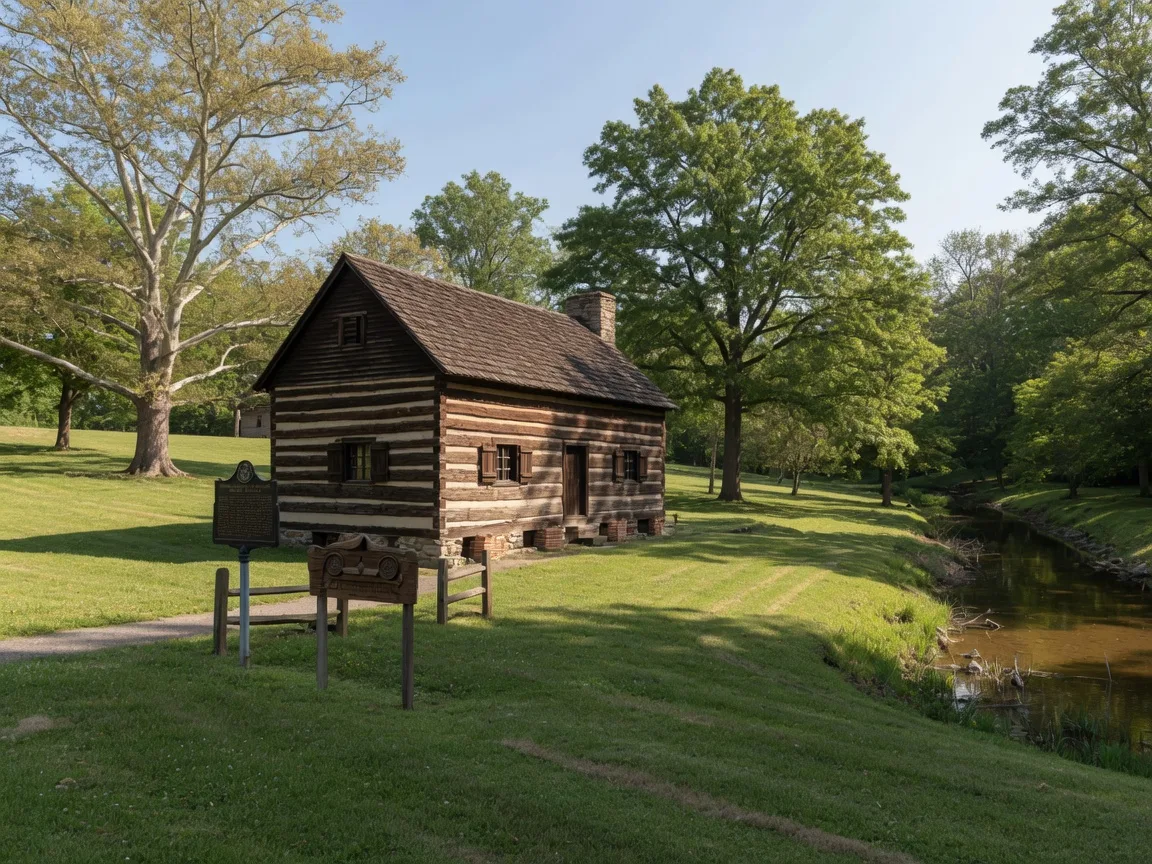
Prospect Park is home to one of the most significant historical sites in Pennsylvania. The Morton Homestead at 100 Lincoln Avenue is one of the oldest dwellings in the state, founded in 1654 by Morton Mortenson, an early European settler, as part of the New Sweden colony. Mortenson's great-grandson, John Morton, was a signer of the Declaration of Independence — born on this very site. The homestead is listed on the National Register of Historic Places (1970) and maintained as a Pennsylvania State Historical Site, with the 2.5-acre grounds open to the public along Darby Creek.
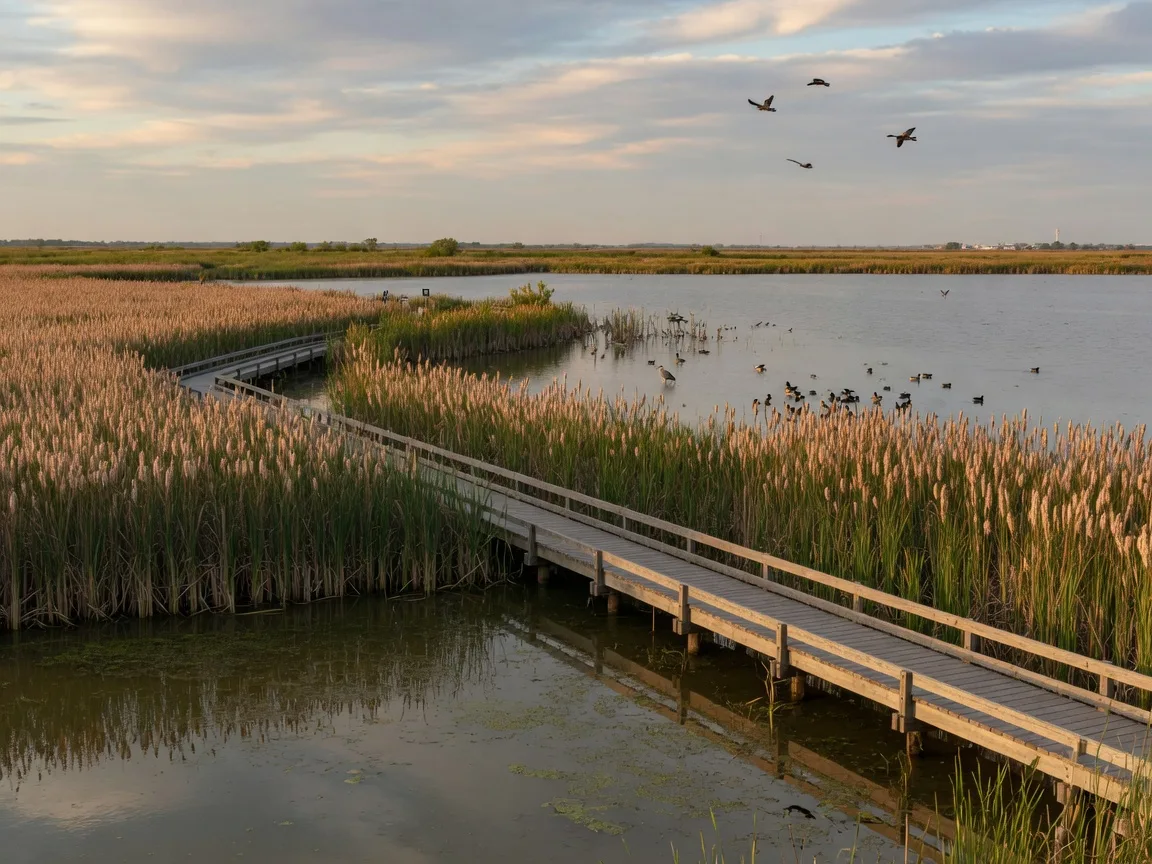
Just minutes from the borough, the John Heinz National Wildlife Refuge at Tinicum spans roughly 1,000 acres of protected freshwater tidal marsh — the largest remaining in Pennsylvania and America's first urban national wildlife refuge. It features 10 miles of hiking trails, a boardwalk through the marsh, world-class birdwatching (bald eagles are regularly sighted), fishing, kayaking, and a visitor center. Governor Printz Park in neighboring Essington (9 acres) commemorates the New Sweden colony with a reconstructed Swedish Farmstead. Within the borough itself, Witmer Memorial Field and Moores Lake Park provide local recreation space.
Morton Homestead
Founded 1654 · National Register of Historic Places
Eat & Play
Dining, Shopping & Things to Do in Prospect Park
From John Morton's Tavern on Lincoln Avenue to the Heinz Wildlife Refuge, the SEPTA station to the Swim Club — Prospect Park has more going on than most boroughs its size.
John Morton's Tavern
400 Lincoln Ave, Prospect Park
A restaurant and bar right in the heart of Prospect Park, named for the town's famous Declaration of Independence signer. A local gathering spot for drinks, dinner, and community conversation.
John Heinz Wildlife Refuge
8601 Lindbergh Blvd, ~4 min drive
America's first urban national wildlife refuge, spanning 1,000 acres of freshwater tidal marsh. Ten miles of trails, a boardwalk, birdwatching, fishing, kayaking, and a visitor center. Eagles and migratory birds are common sights.
Morton Homestead
100 Lincoln Ave, Prospect Park
One of the oldest dwellings in Pennsylvania (1654) and a National Register of Historic Places site. Open to the public as a 2.5-acre state park along Darby Creek. A piece of living history in the middle of the borough.
Stinger's Waterfront
401 S Swarthmore Ave, Ridley Park
A popular neighborhood bar and restaurant with a waterside patio in neighboring Ridley Park. Great for drinks, pub food, and catching up with friends on a summer evening — just minutes from Prospect Park.
Governor Printz Park
101 Taylor Ave, Essington ~5 min drive
A 9-acre waterfront park commemorating the New Sweden colony, with a reconstructed Swedish Farmstead and historical exhibits along the Delaware River. The site of Governor Johan Printz's 1643 colonial capital.
Prospect Park Swim Club
Prospect Park borough
A beloved summer institution for Prospect Park families. The swim club offers a pool, sunbathing area, and a social hub where neighbors gather on hot summer days. Membership is typically available to borough residents.
Location
The Airport, the City & the Refuge, All Within Minutes
Prospect Park's location in southeastern Delaware County is one of its strongest assets. Situated just off I-95 with its own SEPTA Regional Rail station, the borough offers exceptional access to Philadelphia (11 miles northeast, 18 to 22 minutes), Wilmington (13 miles southwest, 18 minutes), and Philadelphia International Airport (just 4 miles north, 8 to 10 minutes). No other community in Delaware County puts you this close to the airport while still offering affordable historic homes, its own train station, and a national wildlife refuge in the backyard.
What makes Prospect Park truly distinctive is the combination of assets within a one-mile radius. You can walk to the SEPTA station and be in Center City in 25 minutes. You can drive 4 minutes and be at the John Heinz National Wildlife Refuge, exploring 1,000 acres of protected marshland with bald eagles overhead. You can walk to John Morton's Tavern, the War Memorial Library, or Prospect Park School. And you can do it all in a borough where the median home price is under $300,000 — a combination that is genuinely hard to match anywhere in the Philadelphia region.
John Heinz NWR
1,000 acres · 4 min from Prospect Park
Community
Friendly, Welcoming & Genuinely Affordable
Prospect Park has a working-to-middle-class, family-oriented community feel that stands out even in Delaware County. About 80 percent of residents report a good sense of community on Niche, and the borough earns high marks for family-friendliness and nightlife. The population of roughly 6,500 is welcoming and neighborly — Niche rates the borough highly for its sense of community, and Reddit discussions describe a friendly place where newcomers are quickly made to feel at home.
The borough's identity is shaped by its history and its people. The Morton Homestead connects Prospect Park to the earliest days of European settlement in Pennsylvania. The Interboro School District brings families together across borough lines. The SEPTA station makes the community accessible to commuters who work in Center City, at the airport, or at Boeing in Ridley Park. The Swim Club, John Morton's Tavern, and the War Memorial Library provide the social infrastructure that makes a town feel like a community. Prospect Park is the kind of place where first-time homebuyers can afford a Victorian with a front porch, where kids can walk to school, and where you can be on a train to Philadelphia or kayaking in a wildlife refuge within 30 minutes. For buyers who value history, community, transit, and affordability in equal measure, Prospect Park is a compelling choice.
Prospect Park at a Glance
Thinking About Prospect Park?
Whether you are looking for a historic Victorian twin, a single-family home near the train station, or just want to learn more about Prospect Park's neighborhoods, schools, commute, and community — Andre Richardson can help.
With PA and NJ licenses and deep knowledge of Delaware County, Andre has helped buyers and sellers navigate the Prospect Park, Interboro district, and greater Philadelphia market for years. No pressure, just honest local insight.